Our Stories

Discover
our latest
Adventure
Our Stories
WONDERFUL WHALYS: The Future is Here: Whaly 500R Becomes an Autonomous Marine Drone

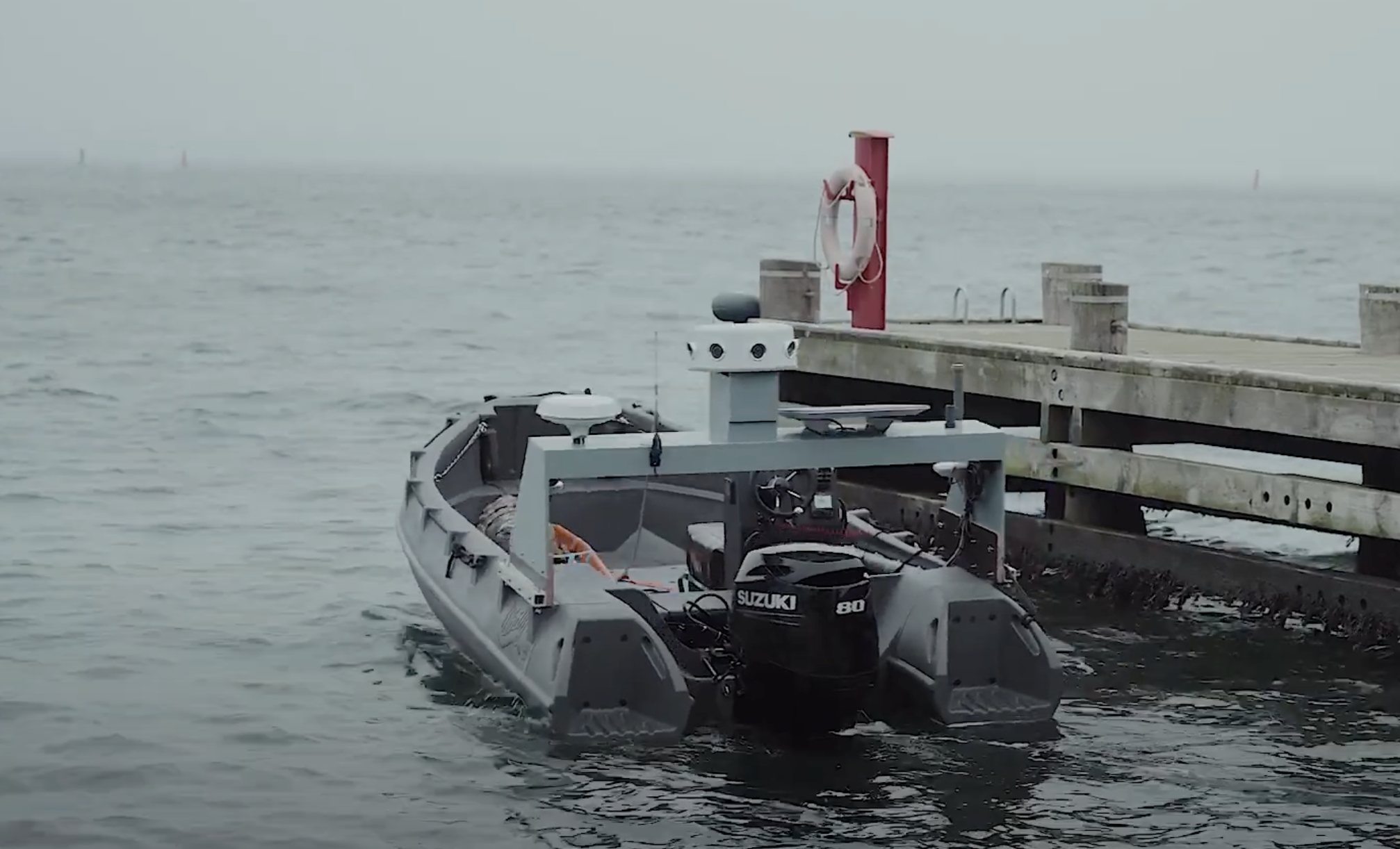
At Tonto Marine, we’re fascinated by marine technology that pushes boundaries. Although we specialise in Mercury, Honda, Tohatsu, and Yanmar engines we also keep our eyes on innovations that are reshaping what’s possible on the water. Today, we’re excited to share something extraordinary: the autonomous Whaly 500R80 developed in by DanaDynamics to showcase their SKIPPER system.

Yes, you read that correctly—autonomous. As in, a boat that navigates itself safely without human intervention. And the platform they chose? The humble Whaly.


Watch the system in action


What is DanaDynamics?

DanaDynamics is a Danish technology company who specialise in autonomous navigation and control systems. Their flagship product, SKIPPER, is an advanced autopilot system that transforms conventional vessels into autonomous marine drones capable of independent navigation, object avoidance, and complex mission execution.

Think of it as self-driving technology for boats but far more sophisticated than simply following a GPS route.


Why the Whaly is Perfect for Autonomous Operation

When DanaDynamics needed a platform to demonstrate their SKIPPER system, they chose the Whaly 500R80. This wasn’t random—the Whaly possesses characteristics that make it ideal for autonomous conversion.

Indestructible Construction

Autonomous systems are cleary valuable but they’re useless if the vessel can’t handle real-world conditions. The Whaly’s 100% polyethylene construction provides unmatched durability. While the SKIPPER system handles navigation, the Whaly handles everything the water throws at it.

Rocks? No problem. Shallow water operations? Easy. Beaching for retrieval? Absolutely. The Whaly’s toughness means autonomous operations can happen in challenging environments where fibreglass or aluminium vessels would be compromised.

Stable Platform

Autonomous sensors require stable mounting. The Whaly’s wide beam and stable hull design provide an excellent foundation for radar, cameras, and other detection equipment. Sensor accuracy depends on platform stability—the Whaly delivers.

Simple Hull Design

Complex hull shapes create unpredictable handling characteristics that challenge autonomous systems. The Whaly’s straightforward design means predictable responses to steering and throttle inputs—exactly what autonomous control systems need for reliable operation.

Unsinkable Safety

The Whaly’s construction makes it virtually unsinkable. For autonomous operations, this provides critical safety redundancy. Even if something goes wrong with sensors or systems, the vessel remains afloat and recoverable.

Lightweight Efficiency

Autonomous systems add weight and electrical demands. The Whaly’s lightweight construction means more capacity for electronics, batteries, and mission equipment without compromising performance.


The Whaly Makes Another Impact

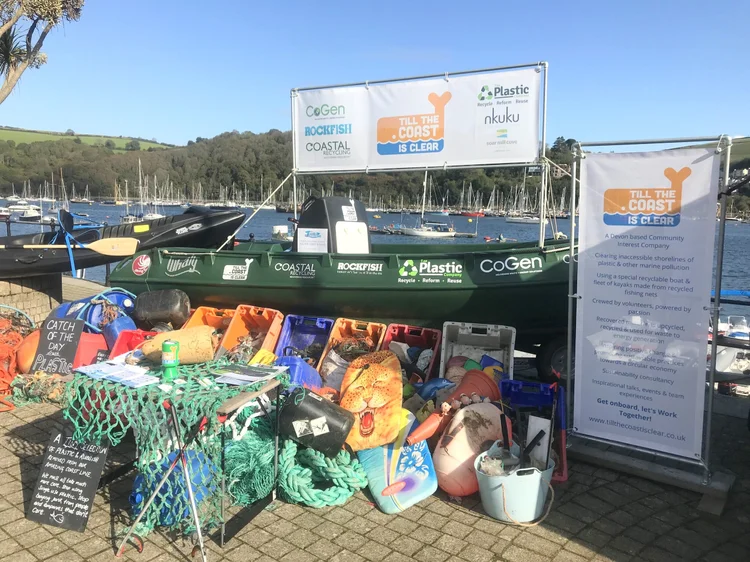
We recently wrote about Till The Coast Is Clear using a Whaly for environmental cleanup work. Now we’re seeing the same platform transformed into an autonomous navigation demonstration. This isn’t coincidence—it’s validation.

The Whaly proves that smart design creates versatile platforms. Whether human-operated for coastal cleanup or autonomously navigated for advanced missions, the fundamental strengths remain: toughness, simplicity, efficiency, and reliability.


Real-World Applications

The SKIPPER-equipped Whaly isn’t just a technology demonstration. DanaDynamics designed the system for genuine operational use across multiple scenarios:

Defence and Security Operations

  • Surveillance missions: Autonomous patrol of sensitive areas
  • Intelligence gathering: Persistent observation without crew fatigue
  • Mine and UXO search: Dangerous work conducted remotely
  • Interception: Rapid response to emerging threats

Search and Rescue

  • SAR operations: Autonomous searching in dangerous conditions
  • Medical evacuation: Unmanned transport when needed
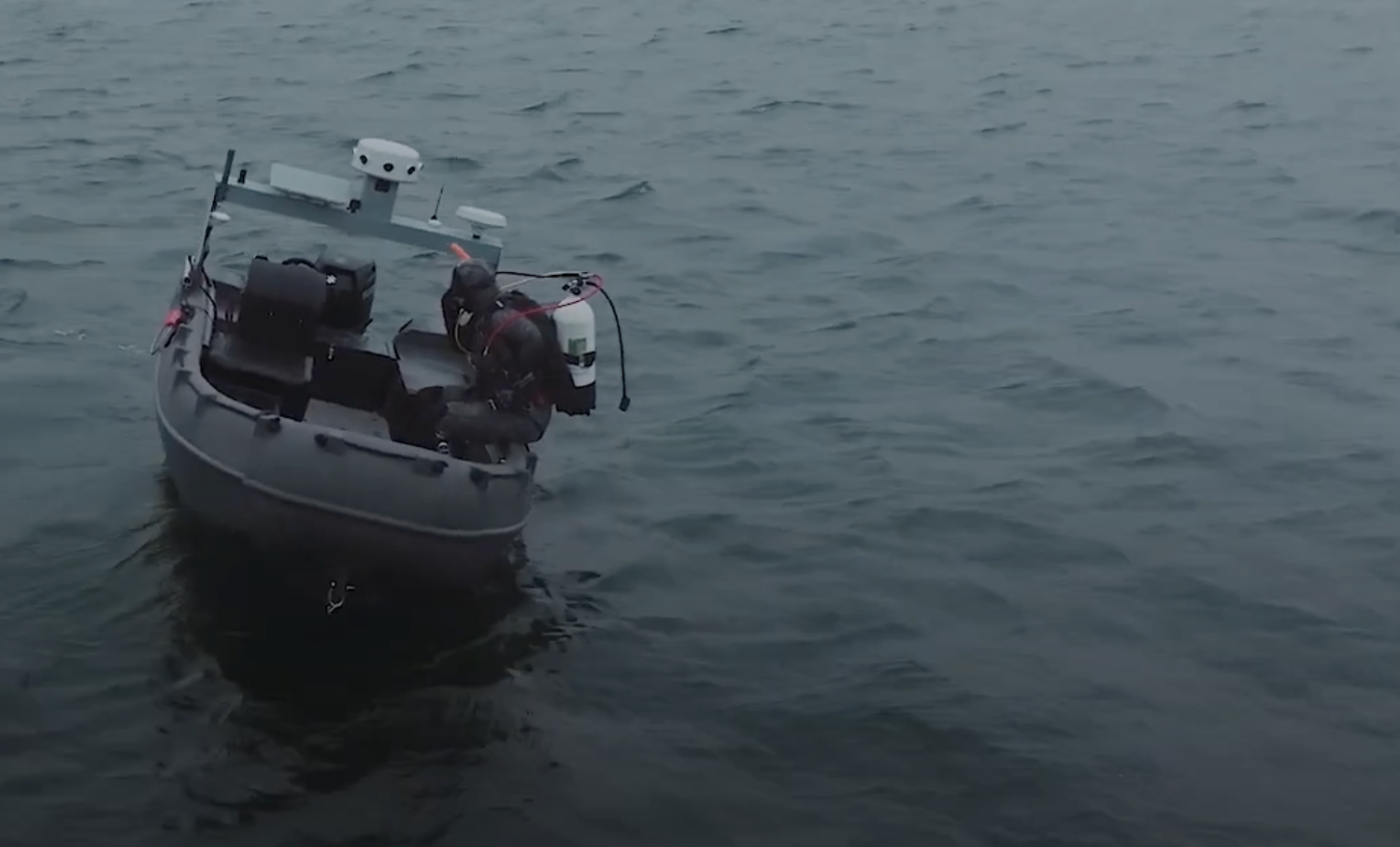
  • Strategic diver operations: Support for underwater work

Maritime Operations

  • Logistics: Autonomous supply transport
  • Survey work: Systematic data collection
  • Subsea operations: Surface support for underwater activities
  • Seabed warfare: Specialised military applications

What This Means for Marine Industry

This Whaly 500R represents more than clever technology—it signals where marine industry is heading. Just as automobiles are embracing autonomous capability, boats will increasingly incorporate intelligent systems.

For professionals in marine engineering like us at Tonto Marine, this means:

  • Expanding skill requirements: Understanding electronic systems alongside mechanical expertise
  • New service opportunities: Maintaining and troubleshooting autonomous systems
  • Enhanced safety: Reducing human error through technological assistance
  • Operational efficiency: Accomplishing missions with reduced crew requirements

The future doesn’t replace traditional marine engineering—it extends it.


The Whaly’s Versatility Validated

Two blog posts, two completely different Whaly applications. Till The Coast Is Clear uses manual operation for environmental cleanup. DanaDynamics uses autonomous control for advanced navigation. Same platform, radically different missions.

This versatility stems from the Whaly’s fundamental design philosophy: create a tough, simple, efficient platform that adapts to user needs rather than dictating specific uses.

Whether you need tough construction for rocky coastal work or a stable platform for sophisticated sensors, the Whaly delivers. Whether human-piloted or autonomously controlled, the basic strengths remain constant.


Looking Forward

We’re unlikely to see autonomous Whalys patrolling Torbay anytime soon, but the technology exists today. The SKIPPER system is operational, the Whaly platform is proven, and the integration works.

What seemed like science fiction a decade ago is now demonstrated technology. What seems advanced today will be commonplace tomorrow.

At Tonto Marine, we embrace this evolution. Our expertise in Mercury V12 engines and JPO systems demonstrates our commitment to advancing marine technology. The autonomous Whaly represents another step forward—different from what we do, but aligned with our appreciation for innovation that serves genuine purposes.


Why This Matters to us?

You might wonder why we’d be interested in autonomous navigation. Simple: because innovation anywhere in marine industry eventually affects everyone.

Today’s autonomous Whaly demonstrations become tomorrow’s autonomous harbour patrol, environmental monitoring, and safety systems. Understanding these technologies helps us all prepare for the marine industry’s evolution.

Plus, it’s genuinely very cool! Seeing a Whaly navigate independently, avoid obstacles, and complete missions without human piloting demonstrates how far marine technology has advanced.

Watch the Technology in Action

We strongly encourage watching the video of the autonomous Whaly 500R in operation (included at the top of this post). Seeing the boat navigate independently, respond to obstacles, and complete maneuvers provides perspective that written descriptions cannot match.

The smooth, confident movements demonstrate how sophisticated the system has become. This isn’t jerky motion—it’s precise navigation that would impress any experienced skipper.


Modern Technology, Proven Platforms, Limitless Possibilities

The autonomous Whaly 500R80 proves that combining modern technology with proven platforms creates possibilities we’re only beginning to explore. DanaDynamics’ SKIPPER system transforms a tough, simple workboat into an intelligent marine drone capable of complex missions.

This is what happens when smart engineering meets practical platforms. The Whaly provides the durability, stability, and reliability. The SKIPPER system provides the intelligence, sensors, and control. Together, they demonstrate the future of marine operations.

From environmental cleanup to autonomous navigation, the Whaly keeps proving that simple, tough, well-designed boats enable extraordinary capabilities. That’s a lesson worth remembering whether you’re servicing a Mercury V12, maintaining a Yanmar diesel, or imagining what marine technology will accomplish next.

The future is here. It’s navigating autonomously. And it’s built on a platform tough enough to handle whatever challenges come next.
Our Stories

Discover
our latest
Adventure
Our Stories

WONDERFUL WHALYS: The Perfect Tool for Coastal Heroes: How a Whaly Boat is Cleaning South Devon’s Shores

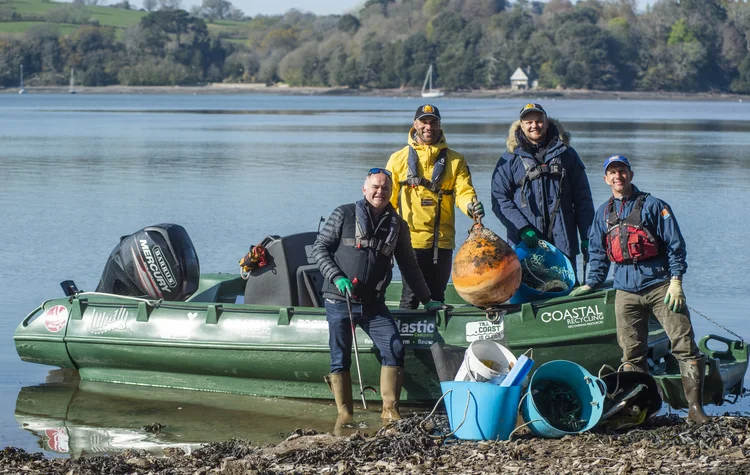
At Tonto Marine, we love celebrating vessels that prove boats aren’t just for recreation—they’re tools for positive change. That’s why we’re thrilled to spotlight the incredible work of Till The Coast Is Clear and their remarkable Whaly boat.


A Mission That Matters

Till The Coast Is Clear has taken on an ambitious challenge: cleaning South Devon’s stunning but increasingly threatened coastline. From Torbay to Salcombe, these coastal heroes are tackling marine litter, plastic pollution, and debris that threatens our beautiful waters and the wildlife that depends on them.

But here’s the thing about coastline cleanup—it’s brutal work that demands a boat capable of handling conditions that would make most vessel owners wince. Rocky shores, shallow approaches, constant beaching, abrasive materials, and relentless exposure to the elements. The wrong boat becomes a liability rather than an asset.

That’s where their Whaly comes in.


Why Whaly? The Perfect Coastal Cleanup Partner

Drop-Down Bow: Access Where It Matters Most

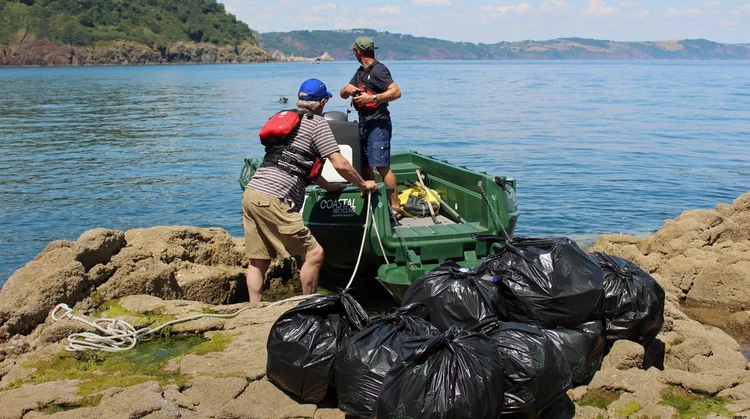
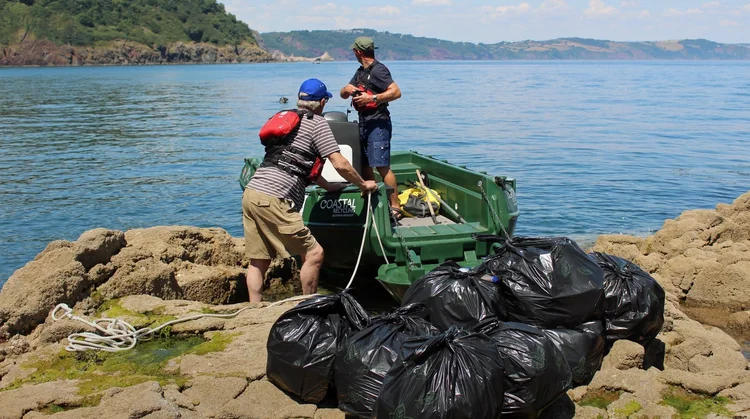
The most striking feature of the Whaly is its innovative drop-down bow. For Till The Coast Is Clear, this isn’t just convenient—it’s essential. Imagine approaching a rocky cove filled with plastic debris. Traditional boats require careful positioning, precarious transfers, and significant risk. The Whaly? Drop the bow, walk straight onto the rocks or beach, and get to work.

This design transforms cleanup operations from challenging to straightforward. Volunteers can safely access difficult coastline sections, load heavy debris bags without capsizing concerns, and operate efficiently even in less-than-perfect conditions. The bow becomes a proper working platform, not just an entry point.

Indestructible by Design: Work Without Worry

Here’s where the Whaly boat truly shines in cleanup operations. Traditional fibreglass or aluminium boats require constant vigilance around rocks and shallow water. Scratches, gouges, and punctures turn every approach into a stressful calculation. For Till The Coast Is Clear, this would mean spending more time worrying about the boat than focusing on their mission.

Whaly’s 100% recyclable polyethylene construction changes everything. This virtually indestructible material bounces off rocks that would damage conventional boats. Scrape along a rocky shore? No problem. Beach in rough conditions? Absolutely fine. Drag over sharp oyster beds? Bring it on.

The psychological freedom this provides cannot be overstated. Till The Coast Is Clear can focus entirely on cleanup work, pushing into tight spaces and challenging locations without constant anxiety about boat damage. That’s not just convenient—it’s mission-critical.

Easy Beaching: Land Anywhere, Anytime

Coastal cleanup demands frequent beaching. You spot debris, land quickly, collect it, and move to the next location. Traditional boats make this complicated—careful approaches, concerns about hull damage, difficulty refloating, and limited access points.

Whaly boats beach effortlessly. The flat bottom and polyethylene construction mean you can drive straight onto beaches, rocky shores, or mudflats without hesitation. When it’s time to leave, simply push off and go. No winches, no rollers, no drama.

For Till The Coast Is Clear, this capability multiplies their effectiveness. They can tackle multiple sites in a single outing, accessing locations that would be impractical or impossible with conventional boats. More landings mean more coastline cleaned, more debris collected, and more impact delivered.

Easy Cleaning: Mission-Critical Maintenance

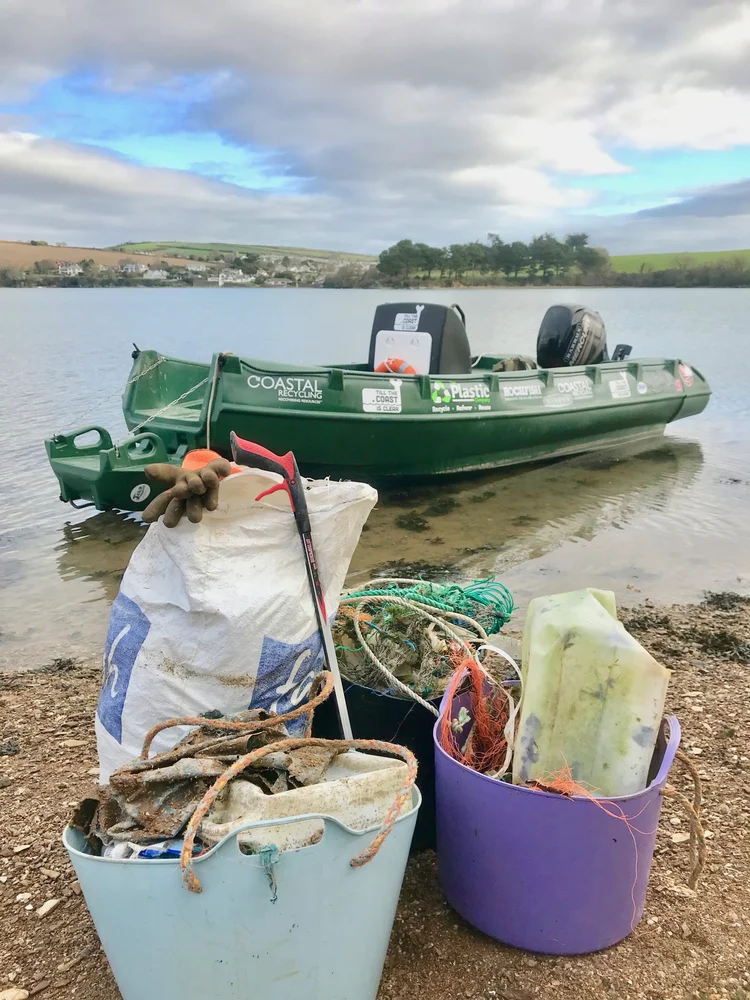
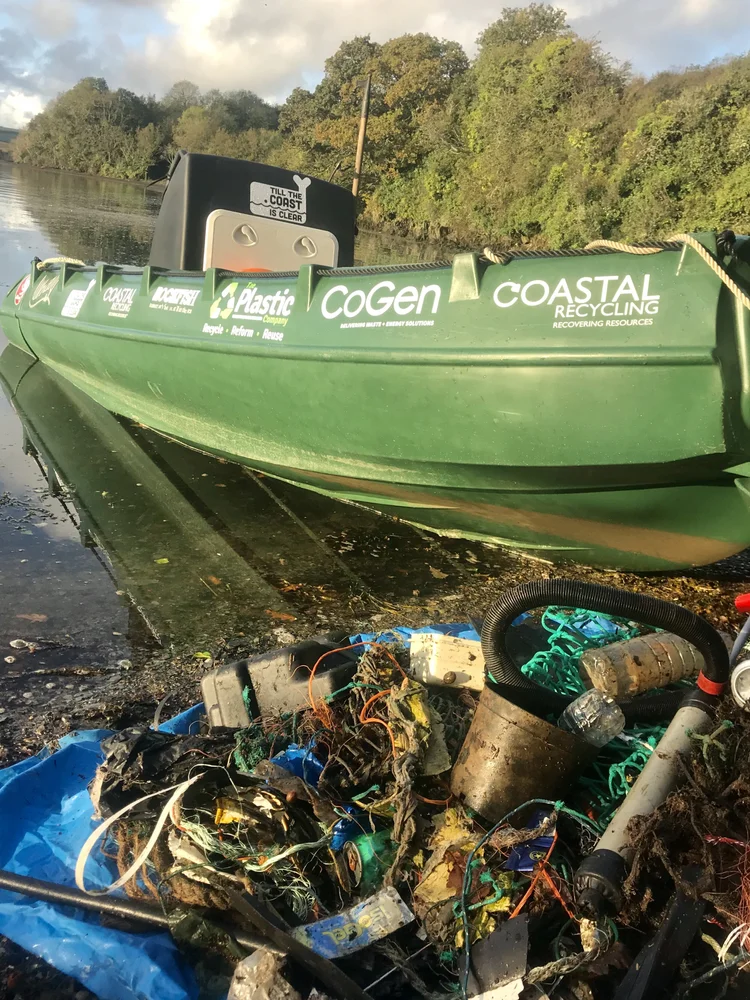
After hours of collecting marine debris, fishing nets, plastic bottles, and worse, most boats would require serious cleaning. Fibreglass interiors stain, wood requires careful maintenance, and fabric upholstery absorbs odours and contamination.

Whaly’s polyethylene construction solves this completely. Hose it down, scrub if necessary, and you’re done. No special cleaners, no concern about staining, no complicated maintenance. The material is naturally resistant to the nasty stuff collected during cleanup operations.

This matters enormously for volunteer-based operations. Easy maintenance means less time on boat care and more time on mission work. It also means volunteers aren’t discouraged by messy cleanup—the boat handles it all without complaint.

Massive Interior Volume: Capacity When It Counts

Look at a Whaly from the outside and you might underestimate its capacity. Then you see one loaded with debris bags and realize these boats offer exceptional interior volume. The high sides and efficient hull design create usable space that exceeds boats of similar length.

For Till The Coast Is Clear, this means fewer trips back to disposal points and more efficient operations. Load up with filled bags, pile in found items, and still have room for volunteers and safety equipment. The Whaly’s capacity turns it from a simple transport vessel into a proper working platform.

100% Recyclable: Values That Match the Mission

Here’s the beautiful irony: Till The Coast Is Clear fights plastic pollution using a boat made entirely from recyclable polyethylene. But this isn’t contradiction—it’s perfect alignment. Whaly boats prove that plastic can be part of the solution when used responsibly.

The 100% recyclable construction means these boats have a genuine circular economy story. When a Whaly eventually reaches end-of-life (which takes decades), the entire vessel can be recycled into new products. No landfill, no waste, no compromise.

For an organization focused on environmental protection, this matters. The boat’s values match the mission’s values. The tool reflects the purpose. It’s authenticity at the deepest level.


One Boat, Massive Impact

What strikes us most about Till The Coast Is Clear’s work isn’t just the tons of debris they’ve removed—it’s how the right boat multiplies impact. With a Whaly, they can:

  • Access coastline sections other boats can’t reach
  • Work safely in conditions that would stop conventional vessels
  • Operate efficiently without constant equipment concerns
  • Beach repeatedly without damage or worry
  • Clean up quickly and get back to work
  • Demonstrate environmental values through their choice of vessel

This is what happens when purpose meets perfect equipment. The Whaly doesn’t just enable the mission—it amplifies it.


The Bigger Picture: Boats as Tools for Good

At Tonto Marine, we service incredible engines and sophisticated marine equipment daily. We appreciate performance, reliability, and engineering excellence. But we also recognize that boats serve purposes beyond recreation and commerce.

Till The Coast Is Clear proves that the right vessel in the right hands can make genuine environmental impact. Their Whaly isn’t just transportation—it’s a force multiplier for positive change along our South Devon coastline.

The indestructible construction lets them work fearlessly. The drop-down bow provides crucial access. The easy beaching enables efficiency. The simple maintenance keeps operations running smoothly. And the recyclable construction aligns perfectly with their environmental mission.


Supporting Local Environmental Heroes

We’re incredibly proud that organizations like Till The Coast Is Clear are working to protect South Devon’s stunning waters and coastline that we love. Every piece of debris they remove protects marine life, preserves natural beauty, and improves conditions for everyone who enjoys our local waters.

If you’re interested in supporting their work, visiting coastal cleanup sites, or learning more about their mission, check out their website at tillthecoastisclear.co.uk. They rely on volunteers, donations, and community support to continue their vital work.

And if you’re considering a boat for environmental work, research projects, or any mission requiring tough, reliable, and environmentally conscious equipment, the Whaly deserves serious consideration. Sometimes the most sophisticated solution is also the simplest one.


The Tonto Marine Perspective

We love being a retailer of Whaly boats, we deeply respect what they represent: purpose-built equipment delivering genuine impact. It reminds us why we’re passionate about marine engineering—the right boat, properly maintained and thoughtfully deployed, can change outcomes.

Whether it’s a Mercury V12 powering adventures, a Yanmar diesel providing commercial reliability, or a Whaly enabling environmental cleanup, boats matter. They’re not just machines—they’re enablers of human purpose.

Till The Coast Is Clear chose their Whaly wisely. It’s the perfect tool for their incredible mission. And watching them work demonstrates exactly what one boat, in the right hands, can accomplish.

Here’s to cleaner coastlines, thoughtful boat choices, and organizations that prove one vessel really can make a difference.


Tonto Marine are delighted to showcase environmental initiatives that celebrate the sea throughout South Devon. While we specialize in Mercury, Honda, Tohatsu, and Yanmar engines, we celebrate all vessels that serve our coastal community well. If you’re involved in marine conservation, environmental survey or other coastal project work around Torbay, Dartmouth, or Salcombe, featuring a Mercury, Honda, Tohatsu, Mercruiser, Mercury Diesel, Whaly or Yanmar we’d love to hear your story and share your work and show what a great marine set up can do. Email [email protected]

Tide Times

Tide Times for
Greenway Quay

Get in touch